


Life in Pathalis reflects the world that contains it: adaptive, varied, and shaped by motion rather than origin. Most creatures and plants are understood through behavior, reputation, and lived experience rather than strict classification.
The sky supports life as readily as the land. The land, in turn, has learned to respond to forces that pass above and through it.
What follows is what is commonly known.
Common Wildlife
Sky Dolphins
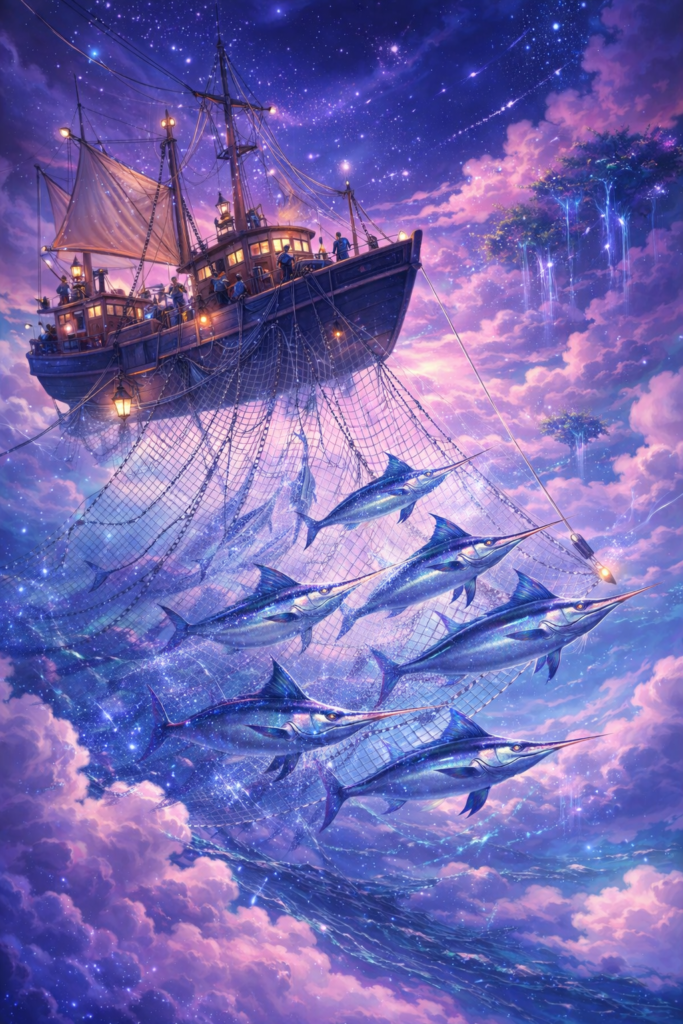
Graceful and intelligent, sky dolphins move through air currents much as their ocean cousins move through water. They are most often seen at dawn and dusk, leaping through cloud layers or riding the wakes of airships.
Sailors regard them as favorable omens. Sky dolphins are curious but cautious, and while they are known to escort vessels for a time, they avoid prolonged contact with mortal settlements.

Luminhounds
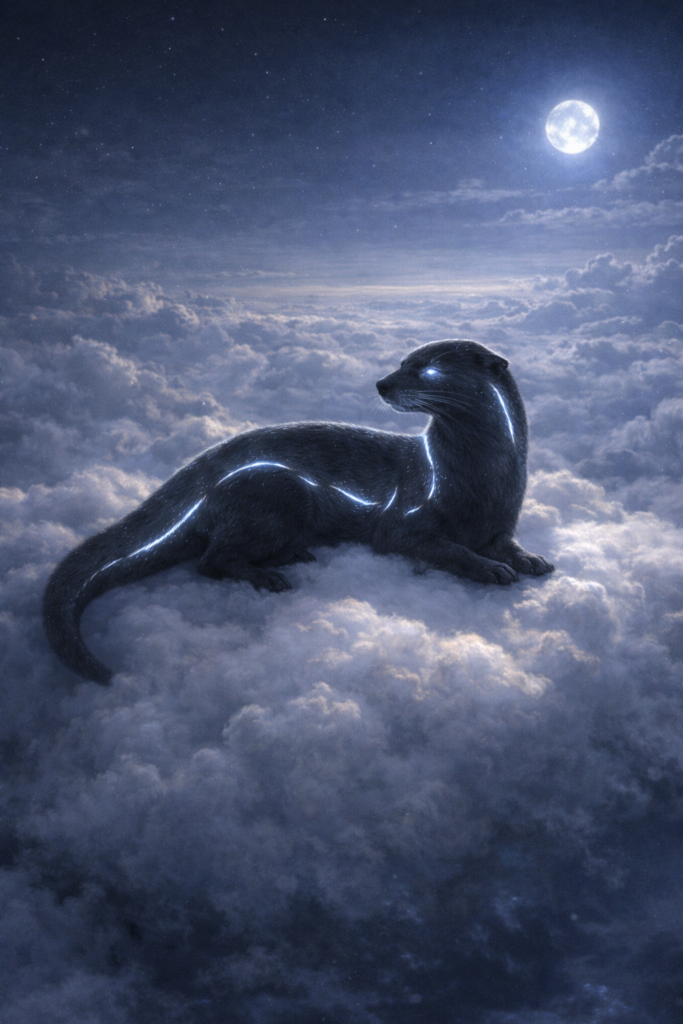
Luminhounds resemble sleek, otter-like creatures adapted for land, sea, and sky. Faint luminous patterns trace along their bodies in low light, especially during storms or moonlit nights.
They are rare and highly protected by custom. A luminhound that chooses to follow a traveler is considered significant, though opinions differ on what that choice signifies.
Sky Serpents
Sky serpents are large, ribbon-bodied predators that glide through high-altitude air currents. Their coloration allows them to vanish against cloud and storm, making them difficult to spot until they move.
Most encounters are brief and distant. Sky serpents are not malicious, but they are apex hunters, and pilots are advised to avoid their known ranges when possible.
Sky-Dwelling Life
Sky Fish
Sky fish are airborne aquatic creatures that move through cloud layers and stable air currents much as ocean fish move through water. They form the foundation of the sky’s ecosystem and are a primary food source for larger aerial life.
Travelers recognize many varieties, though most are referred to collectively rather than by specific names. Their presence often signals stable routes and predictable air.
Aetherfish
Aetherfish are small, translucent sky fish that drift in loose schools near long-established sky routes. They are harvested carefully, as overfishing can disrupt local air patterns.
Prepared properly, aetherfish are considered a delicacy in sky ports and floating taverns.
Domesticated & Semi-Domesticated Creatures
Cloud Runners
Cloud runners are agile, sure-footed beasts bred for movement along elevated platforms, sky-docks, and unstable terrain. Though not capable of flight, they navigate narrow paths with remarkable balance.
They are commonly used by outposts and aerial settlements where traditional mounts would struggle.
Collective & Anomalous Life
Indigo Colony
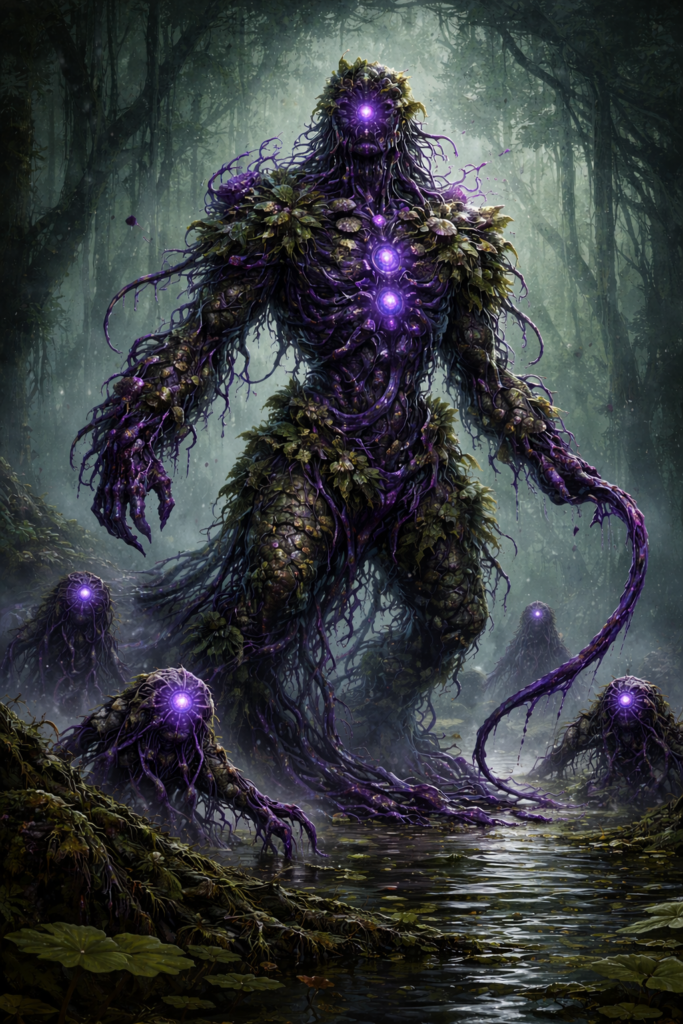
An Indigo Colony is not a single creature, but a coordinated collective organism that forms through the movement of many smaller components. When active, colonies often assume a vaguely humanoid silhouette.
Indigo Colonies can establish themselves in any environment—swamp, ruin, forest, underground structure, or abandoned settlement—provided conditions allow sustained growth. They are not inherently aggressive, but they are persistent. Areas left unattended near an active colony rarely remain unchanged.
Most maps mark known colony regions with warnings rather than names.
Not all moving things in Pathalis are alive.
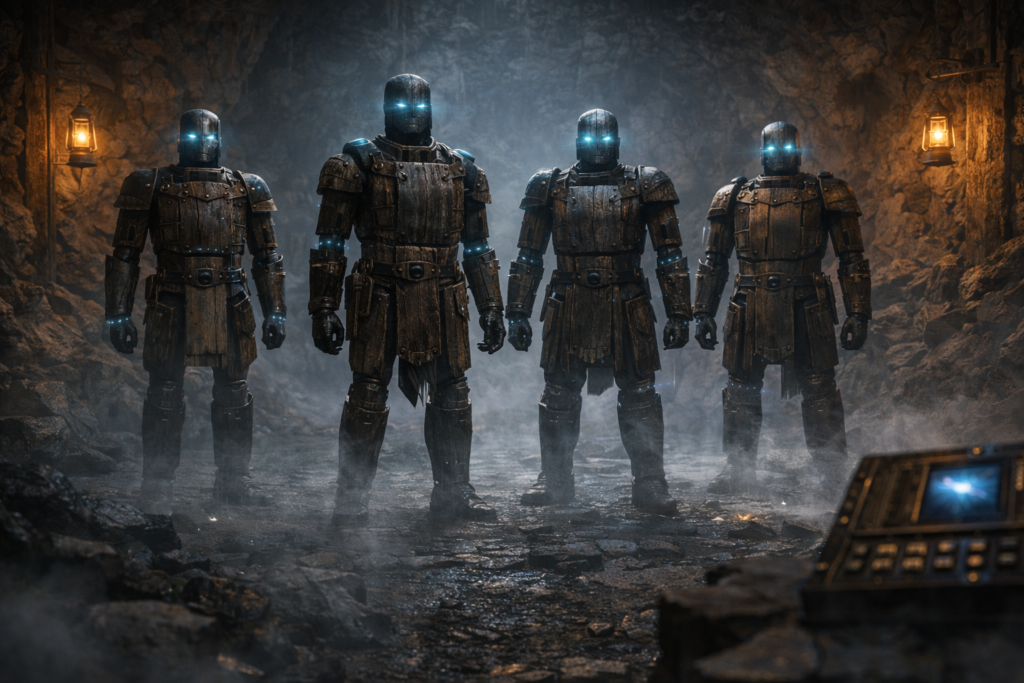
In some regions, travelers and adventurers report encounters with what are known as Standard Training Automations—artificial beings created for controlled combat and endurance exercises. To most observers, these automations do not appear mechanical. They look like ordinary people, creatures, or enemies, behaving convincingly enough that many encounters go unrecognized for what they are.
Standard Training Automations are commonly associated with the University and its training programs. They are said to be used in place of live opponents, allowing students and recruits to face realistic danger without permanent loss of life.
Appearance and Behavior
Automations are typically disguised by magic, appearing as bandits, guards, beasts, or other plausible threats. Even when disabled, they often retain this appearance, leading many to believe they were facing real foes.
Their movements are described as disciplined and purposeful rather than emotional. They fight efficiently, withdraw when damaged, and do not pursue beyond their apparent objective.
Durability and Recovery
Stories frequently note that some Standard Training Automations do not remain down when defeated. Witnesses describe fallen enemies later being seen intact, or similar figures appearing again nearby. Most assume this is reinforcements, coincidence, or exaggeration.
The prevailing belief is that these constructs are built to be repaired and reused, rather than destroyed outright.
Public Understanding
Most people do not encounter Standard Training Automations directly, and fewer still recognize them when they do. To the general populace, they are an unusual but accepted part of a world where magic and engineering often overlap.
Whether they are clever tools or something more unsettling is a matter of debate—one usually avoided in polite conversation.
Along the older roads, some inns keep a quiet rule:
do not ask how the staff survived the last trouble.
One oft-repeated story tells of a roadside tavern raided by bandits late at night. The bartender stepped in to stop them and was struck down—once, then again—yet each time he returned to the fight as if nothing had happened. When it was over, witnesses say the bodies vanished, and the man calmly wiped the bar and poured drinks as usual.
When pressed, innkeepers only shrug.
“Some people don’t quit the shift just because they fall.”
Most assume it’s exaggeration, drink-talk, or fear reshaping memory. Still, a few wayhouses will quietly tell you they’ve never replaced that bartender—and never plan to.
Legendary & Rare Phenomena
Gile’Stoirm
Gile’Stoirm is spoken of more as a living storm than a creature. Accounts describe sudden pressure drops, electrical discharge, sleet forming without warning, and thunder that seems to roll from within the sky itself.
Witnesses disagree on details. Most agree that when Gile’Stoirm appears, survival depends on endurance rather than confrontation.

Notable Flora
Sky-Bloom Moss
Sky-bloom moss grows along stone surfaces exposed to constant airflow. It glows faintly at night and is often cultivated along raised walkways and docks for visibility.
The moss is hardy and slow-growing, valued more for stability and safety than beauty.
Ironroot Trees
Ironroot trees grow in regions where soil is thin and mineral-rich. Their roots anchor deep into stone, often warping nearby rock formations over time.
Wood harvested from ironroot trees is exceptionally durable and difficult to work, making it valuable for long-term structural use.

Moonleaf Vines
Moonleaf vines unfurl only under moonlight, their pale leaves drawing moisture directly from the air. By morning, they retract, leaving behind dry, coiled stems.
Travelers sometimes use their growth patterns to track lunar phases when other signs are obscured.
Creatures of Concern
Some beings are widely regarded as dangerous regardless of intent or origin. These include:
- Demons and similar entities driven by corruption or hunger
- Mindless undead animated without will or restraint
- Semi-sentient creatures acting purely on instinct and consumption
Such beings are treated as hazards rather than peoples. Encounters are approached with caution, preparation, and—when possible—avoidance.
Closing Note
This record is not exhaustive.
Some life appears only under rare conditions. Others migrate beyond mapped regions. Absence from this page does not imply rarity—or safety.
In Pathalis, survival comes not from knowing every name, but from paying attention.